The .243 has earned its reputation as one of the most versatile cartridges ever designed.
With the right choice of bullet, it's equally at home controlling pests and vermin as it is humanely harvesting smaller deer species. Lightweight, fast-expanding bullets make it highly effective for foxes, crows and other legal pest species, while heavier controlled-expansion bullets provide the performance needed for species such as roe deer where permitted.
Its flat trajectory and excellent accuracy also make it a superb choice for longer-range shooting on smaller quarry. Whether you're dealing with crows at distance, foxes across open fields, or stalking smaller deer, the .243 delivers confidence and consistency.
As the shooting world continues its transition towards lead-free ammunition, some have questioned whether the .243 will remain as versatile as ever. The answer is yes—but with a few considerations.
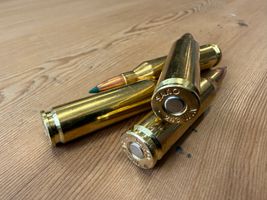
Copper bullets are longer than their lead counterparts of the same weight, so many .243 shooters are finding success with slightly lighter projectiles that maintain velocity while ensuring reliable stabilisation. Modern monolithic bullets offer excellent weight retention, deep penetration and dependable expansion, making them highly effective for both pest control and smaller deer species when matched to the right application.
One important consideration is barrel twist rate. Many older .243 rifles feature a slower 1:10" twist, which may not stabilise the longest and heaviest copper bullets as effectively as newer rifles with faster twist rates. Fortunately, ammunition manufacturers now offer a wide range of lighter lead-free .243 bullets that perform exceptionally well in these barrels, allowing owners of older rifles to continue enjoying the calibre's renowned versatility.
Is it a true "do-it-all" calibre? For many shooters, it's about as close as you'll get. While it's not the ideal choice for larger deer species, the sheer range of factory ammunition and bullet weights—now including an ever-growing selection of lead-free options—means the .243 can comfortably cover almost every other role with ease.
One rifle. Countless applications. The move to copper hasn't diminished the .243 reputation—it has simply encouraged shooters to choose the right bullet for the job, ensuring this classic calibre remains one of the finest all-round performers for years to come.